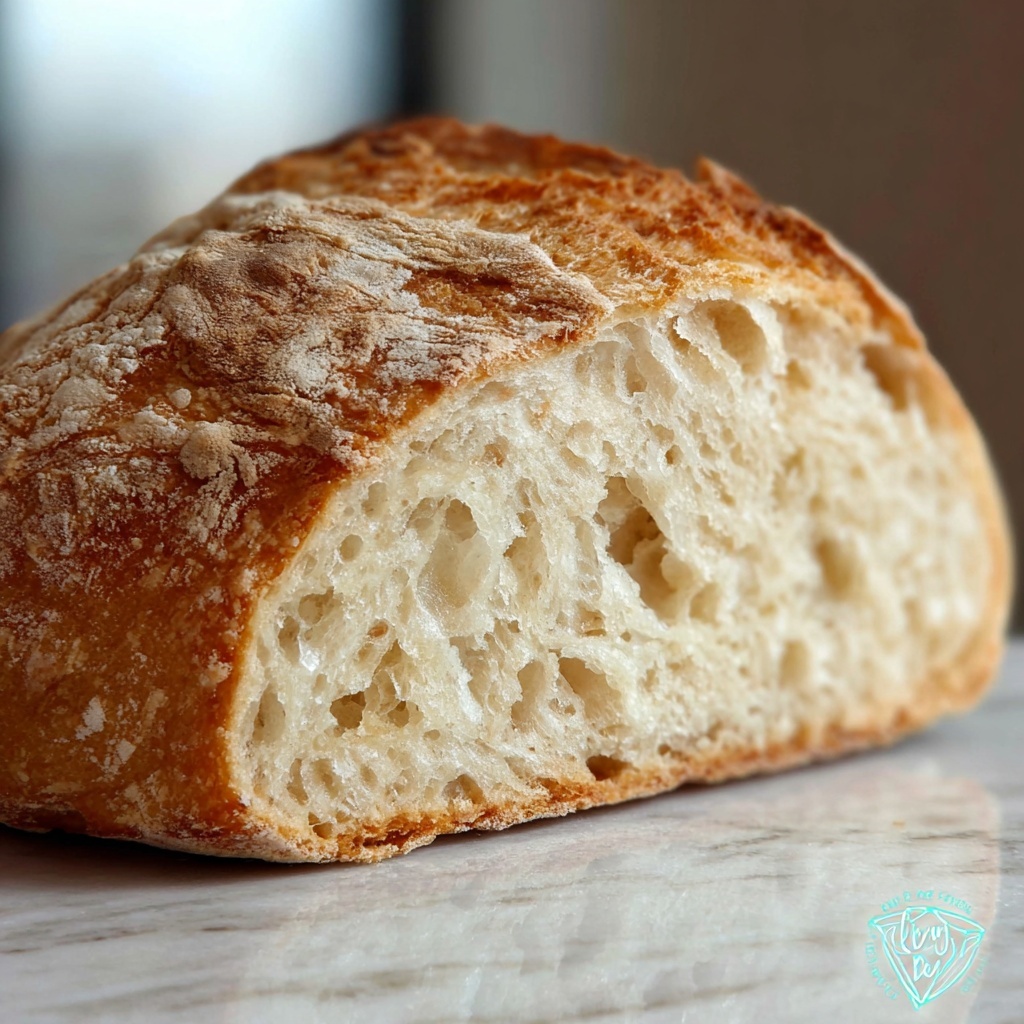
If you’ve been wanting to dive into the wonderful world of homemade bread, this Beginners Sourdough Bread Recipe is your perfect starting point. Nothing beats the feeling of slicing into a warm loaf with a golden crust and that signature tangy flavor that only sourdough can offer. With just a handful of simple ingredients and some easy steps, you’ll create a loaf that’s chewy, crusty, and downright irresistible. Whether it’s your first time making bread or you’ve been curious about sourdough for a while, this recipe will guide you through every step with warmth and confidence.
Ingredients You’ll Need
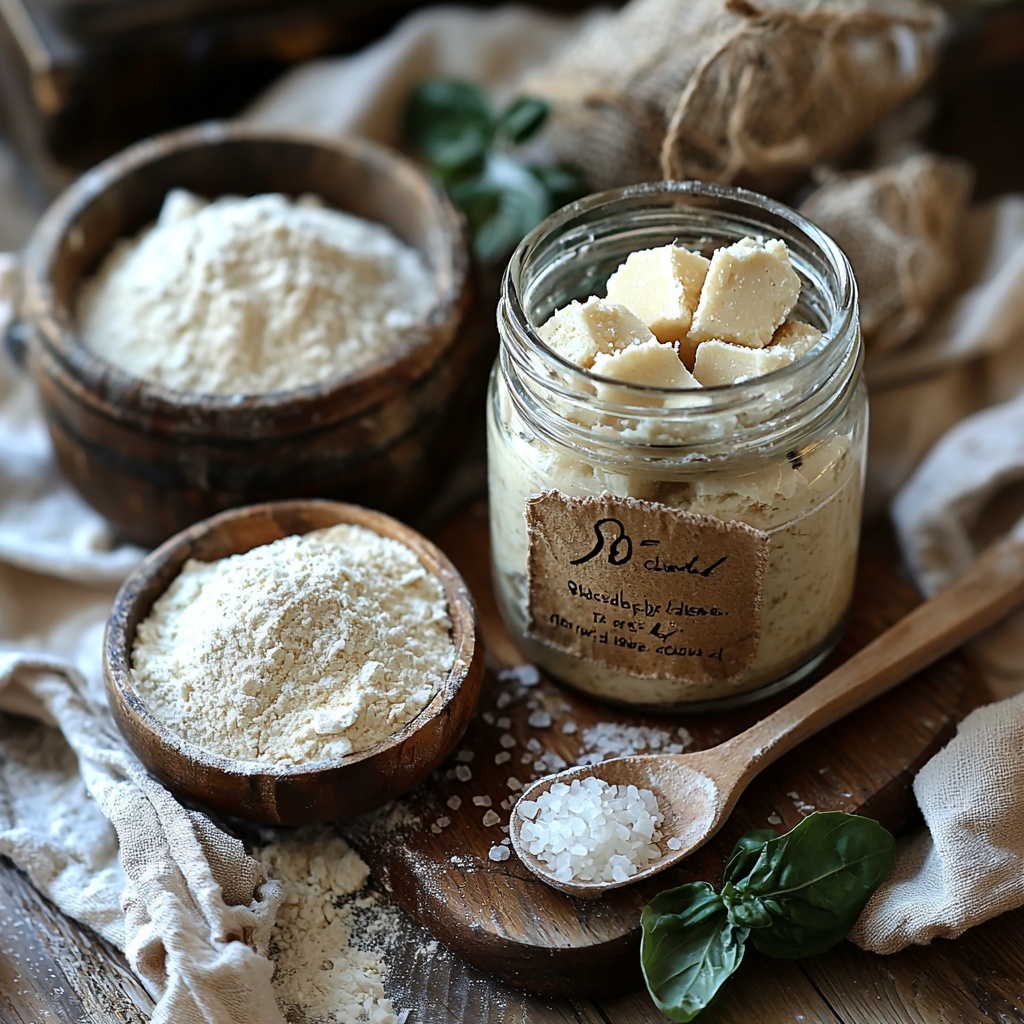
Keep your ingredient list delightfully simple—each item plays an essential role in creating that perfect texture and flavor. These basics come together to give your bread its chew, crumb, and beautiful crust that makes sourdough so special.
- Active Sourdough Starter: Using 2 cups (400 grams) of lively starter ensures your bread has that classic tang and natural leavening power.
- All-Purpose Flour: 3 cups (360 grams) of sifted flour provide the structure and bulk needed for a great crumb.
- Warm Water: 1 cup (240 grams) of warm water helps activate the starter and brings the dough together smoothly.
- Salt: 1.5 teaspoons (about 9 grams) enhances flavor and controls fermentation for a balanced loaf.
How to Make Beginners Sourdough Bread Recipe
Step 1: Mix Starter and Water
Start by stirring together the active sourdough starter and warm water in a non-metal mixing bowl. Whisking these first gets the starter evenly distributed, creating a perfect base for your dough. The warmth helps wake up the yeasts so they’re ready to work their magic.
Step 2: Add Flour and Salt
Gradually sift in the flour and sprinkle your salt over it, then mix everything into a wet dough. The flour gives your bread body while the salt adds depth to the flavor and strengthens the gluten network. Don’t rush this part; a gentle mix sets you up for success.
Step 3: First Rise
Cover the bowl and let the dough rest in a warm spot for about two hours. You’ll notice it swell and almost double—that’s your starter doing its thing, producing those lovely air pockets and flavor.
Step 4: Stretch and Fold
To build strength and elasticity, perform several rounds of stretch-and-folds during the rise. This technique gently develops the gluten without punching down the dough, helping it rise beautifully and hold its shape.
Step 5: Shape and Refrigerate
Shape your dough into a round loaf with care, then pop it into the fridge for 4 to 8 hours. This cold fermentation slows down the yeast and deepens the flavor, plus it makes the dough easier to score and bake.
Step 6: Preheat Oven and Dutch Oven
Preheat your oven to 400°F (200°C) and place a Dutch oven inside while it heats. That preheated pot will trap steam and give your loaf that perfect crispy crust and moist crumb.
Step 7: Score and Bake
Just before baking, score the top of your dough to allow it to expand gracefully in the oven. Bake the loaf covered for 25 minutes, then uncover and bake another 25 minutes or until the crust turns a golden brown that makes you swoon.
Step 8: Cool Before Slicing
Patience is key—let your bread cool on a wire rack before slicing. This resting period lets the interior set properly so every slice reveals that chewy, airy texture you worked hard for.
How to Serve Beginners Sourdough Bread Recipe
Garnishes
A slather of creamy butter or a drizzle of good-quality olive oil can elevate this sourdough from everyday to extraordinary. Sprinkle a bit of flaky sea salt or fresh herbs on top for an inviting touch that wakes up your taste buds instantly.
Side Dishes
Sourdough bread is so versatile that it pairs beautifully with soups, stews, or fresh salads. Its slightly tangy flavor complements creamy cheeses or hearty spreads perfectly, making it a standout companion on any plate.
Creative Ways to Present
Try turning your loaf into a bruschetta base topped with diced tomatoes and basil, or slice thick and toast it alongside an egg dish for a breakfast treat that feels fancy but is surprisingly simple. Even a rustic sandwich benefits greatly from this loaf’s texture and flavor.
Make Ahead and Storage
Storing Leftovers
Keep your leftover sourdough bread in a paper bag or wrapped loosely in a clean towel. This helps maintain the crust’s crispness while preventing the bread from drying out too fast. Stored this way, it will stay fresh for a couple of days.
Freezing
If you want to save your sourdough for later, slice it before freezing and place it in a freezer bag or airtight container. It freezes well for up to three months, allowing you to enjoy homemade bread even on busy days.
Reheating
To revive your sourdough’s fresh-baked warmth, pop slices in the toaster or oven. For a whole loaf, sprinkle with a little water and heat it wrapped in foil at 350°F (175°C) for 10 to 15 minutes—this will bring back that lovely crust and soft interior.
FAQs
What if my sourdough starter is not very active?
Make sure your starter is bubbly and has been fed regularly before starting this recipe. If it’s sluggish, give it a few feeds at room temperature to wake it up, ensuring your bread rises properly.
Can I use whole wheat flour instead of all-purpose?
Absolutely! You can swap some or all of the all-purpose flour with whole wheat for a nuttier flavor and denser crumb. Just keep in mind the dough might need a little more hydration or longer rising time.
Why do I need to refrigerate the dough overnight?
Cold fermentation slows down yeast activity, allowing flavors to develop more deeply and improving the dough’s texture. It also makes handling and scoring easier just before baking.
How do I know when the bread is fully baked?
Look for a deep golden crust, and the loaf should sound hollow when tapped on the bottom. An instant-read thermometer inserted into the center should register around 205°F (96°C).
Can I make this recipe without a Dutch oven?
Yes! Baking on a preheated baking stone or sheet can work, but adding a tray of water to the oven helps provide steam to achieve a crisp crust similar to the Dutch oven method.
Final Thoughts
There’s truly nothing like the pride and joy of baking your own sourdough, and this Beginners Sourdough Bread Recipe is a fantastic way to start the journey. With just a few ingredients and some patient, mindful steps, you’ll have a loaf that fills your kitchen with amazing aroma and your heart with accomplishment. So, roll up your sleeves and enjoy every step; your perfect homemade bread awaits!
Print
Beginners Sourdough Bread Recipe
- Prep Time: 10 minutes
- Cook Time: 50 minutes
- Total Time: 6 hours 60 minutes (including rising and refrigeration time)
- Yield: Approximately 12 servings
- Category: Bread
- Method: Baking
- Cuisine: Western
- Diet: Vegetarian
Description
This Beginners Sourdough Bread Recipe offers a simple, step-by-step guide to crafting a flavorful and crusty loaf using natural sourdough starter. Perfect for novice bakers, it emphasizes hands-on techniques like stretch-and-fold, resting periods, and baking in a Dutch oven to achieve an artisan-quality bread at home.
Ingredients
Starter and Dough
- 2 cups Active Sourdough Starter (400 grams)
- 3 cups Sifted All-Purpose Flour (360 grams)
- 1 cup Warm Water (240 grams)
- 1.5 teaspoons Salt (≈9 grams)
Instructions
- Mix Starter and Water: In a non-metal mixing bowl, combine the active sourdough starter and warm water; whisk until smooth and fully blended.
- Add Flour and Salt: Gradually incorporate the sifted all-purpose flour and salt into the starter mixture, mixing until a wet, sticky dough forms.
- First Rise: Cover the bowl and let the dough rise in a warm spot for about two hours, or until it has doubled in size, indicating active fermentation.
- Stretch and Fold: Perform several rounds of stretch-and-fold technique on the dough to develop gluten structure, allowing the dough to rest and rise between each round.
- Shape and Refrigerate: Shape the dough into a round loaf, place it in a suitable container or bowl, and refrigerate for 4 to 8 hours to enhance flavor and dough strength.
- Preheat Oven: About 30 minutes before baking, preheat your oven to 400°F (200°C) with a Dutch oven inside to ensure it’s hot and ready for baking.
- Score and Bake: Remove dough from fridge, score the top with a sharp blade to help expansion, then bake inside the preheated Dutch oven covered for 25 minutes. Remove the lid and bake uncovered for an additional 25 minutes until the crust is golden brown and crisp.
- Cool: Let the bread cool completely on a wire rack before slicing to set the crumb and avoid gummy texture.
Notes
- Using a non-metal bowl is recommended to prevent any reaction with the sourdough starter.
- The stretch-and-fold technique helps build gluten strength without intensive kneading.
- Refrigerating the dough overnight improves flavor and makes it easier to score and handle.
- Baking with a Dutch oven traps steam, creating a crisp crust and better oven spring.
- Allowing the bread to cool fully before slicing ensures optimal texture and crumb structure.